Best Florist on Sloane Street Knightsbridge for Weddings
Posted on 16/10/2026
Planning wedding flowers in Knightsbridge can feel gloriously exciting and, if we're honest, a bit overwhelming too. You want arrangements that look elegant in photos, feel right for the venue, survive the day beautifully, and arrive on time without drama. That is exactly why choosing the Best Florist on Sloane Street Knightsbridge for Weddings matters so much. The right florist does more than tie stems together; they help shape the mood of the whole day, from the first bouquet in the morning to the last table arrangement lit by candles in the evening.
In a place like Sloane Street, where presentation matters and expectations are naturally high, wedding flowers need to do several jobs at once: complement the dress, suit the season, work with the venue, and hold up under real-world conditions. This guide walks you through what makes a wedding florist genuinely good, how the process usually works, what to look for, and which choices make the biggest difference. Let's make it practical, not fluffy.
One quick note before we begin: wedding floristry is one of those areas where the small details really do add up. The ribbon finish, the shade of white, the shape of the bridal bouquet, the timing of delivery - all of it matters more than people expect. And on a wedding day, no one wants a bouquet that looks tired by the time the registrar says hello.
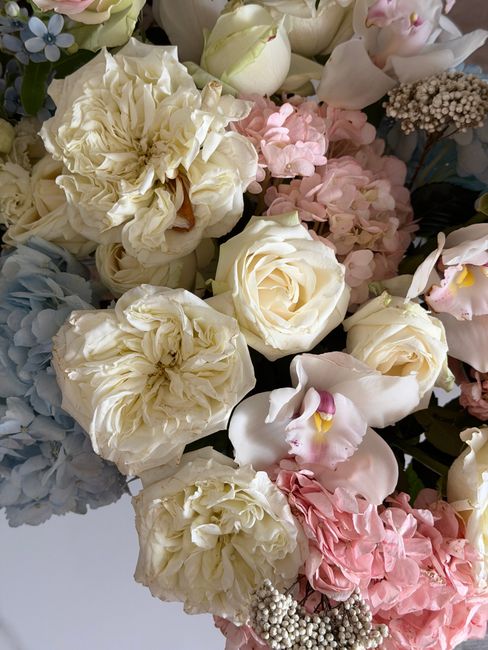
Why Best Florist on Sloane Street Knightsbridge for Weddings Matters
Wedding flowers are not just decoration. They set tone, create cohesion, and often become the thread that ties every visual element together. In Knightsbridge, that matters even more because venues, attire, and guest expectations tend to lean polished and refined. A skilled florist understands how to make flowers feel luxurious without looking overworked. That balance is harder than it sounds.
Think about the main pressure points. The bridal bouquet needs to feel comfortable in the hand. The ceremony flowers need to read well from a distance. Table centres must fit the room and leave space for glasses, menus, and conversation. Buttonholes and corsages should be neat, secure, and not a faff to wear. The best florist on Sloane Street will look at the whole event, not just a single arrangement.
There's also a local dimension. Knightsbridge weddings often involve tight timings, restricted loading access, concierge coordination, and venues with their own rules about setup windows. A florist experienced in central London knows that timing can be as important as design. You can have the prettiest flowers in the world, but if they arrive late - well, that's not really a win, is it?
Another reason this matters is consistency. Wedding flowers must look like they belong together across multiple pieces: bridal bouquet, bridesmaid bouquets, groom buttonholes, table arrangements, and perhaps a ceremony arch or pedestal arrangements. If each item comes from a different visual idea, the whole day can feel disjointed. Strong wedding floristry creates a calm, connected look that photographs beautifully from morning to night.
Key takeaway: the best wedding florist in this part of London is not simply the one with the fanciest photos. It is the one that combines design skill, dependable logistics, and an understanding of how weddings actually unfold in real life.
How Best Florist on Sloane Street Knightsbridge for Weddings Works
The process usually begins with style and structure. A wedding florist will want to know your venue, date, colour palette, dress style, number of guests, and whether you want flowers to feel classic, modern, romantic, or lavish. If you already have a mood board, great. If not, that's fine too. Many couples know what they do not want before they can explain exactly what they do want.
From there, the florist typically builds a proposal around the key floral areas: bridal flowers, bridesmaids' flowers, buttonholes, ceremony pieces, reception table flowers, and any extras such as cake flowers or floral gifting. For a wedding in Knightsbridge, this often means keeping the designs elegant and practical. Large-scale arrangements may suit grand rooms, while smaller, refined pieces work better in intimate spaces where people sit close together.
If you browse options on a specialist site, you will usually see wedding collections and product groupings that help narrow the decision. For example, dedicated pages for wedding florals and curated pieces such as a wedding collection make it easier to compare styles. You might also find specific products for bridal bouquets, bridesmaid bouquets, and buttonholes. That kind of structure helps couples make decisions without turning the planning process into a spreadsheet marathon.
Good florists also explain flower seasonality. That matters because some blooms are naturally better at certain times of year, and some are more reliable for transport and longevity. In practical terms, this can affect colour choices, stem strength, fragrance, and budget. In our experience, the best outcomes happen when couples stay flexible about exact flower varieties but firm about the overall style.
Delivery and setup are part of the service, not an afterthought. On the day, a florist may deliver bouquets to the couple's hotel or home, then move on to the venue to place table flowers, install larger arrangements, and make sure everything looks polished before guests arrive. For local weddings, a reliable delivery flow matters just as much as design. If you need timely arrival, services like flower delivery in Knightsbridge or same-day flower delivery can be useful when plans are moving quickly.
Truth be told, wedding floristry is a blend of artistry and coordination. The artistry gets the compliments. The coordination prevents the headaches.
Key Benefits and Practical Advantages
Choosing a florist with real wedding experience brings benefits that show up before, during, and after the event. Some are obvious. Others only become obvious when something goes wrong elsewhere.
- Design coherence: the bouquet, ceremony, and reception all feel like part of the same story.
- Better use of budget: a skilled florist knows where to spend for impact and where to simplify without the room feeling empty.
- Less stress: one experienced supplier is easier to brief, coordinate, and trust.
- Fresher-looking flowers: good handling and realistic scheduling improve appearance through the day.
- Venue fit: arrangements are sized and shaped for the actual space, not just a catalogue image.
- Local delivery confidence: central London timing, access, and loading constraints are handled more smoothly.
There's also a photo benefit people sometimes underestimate. Flowers frame faces, soften formal spaces, and make images feel warm instead of stiff. A white bouquet against silk, a blush table arrangement beside glassware, a floral piece on a pedestal near the aisle - these details catch the camera in quiet ways. You don't always notice them in the moment, but you absolutely notice them later when you get the pictures back.
For couples comparing styles, collections can help narrow choices quickly. If you want a clean and elegant palette, options like white wedding arrangements or the Royal Essence wedding collection can suggest a direction. If your event leans more romantic, romantic wedding florals or softer bouquet styles may suit better. Different names, yes, but the real question is: which one fits your day, your room, your clothes, your energy?
A good florist also helps you avoid mismatched buying. Many couples end up adding random pieces because they look lovely on their own. That is how budgets get slippery. A strong florist will keep the overall plan grounded, which is a relief when the wedding planning chaos starts doing laps in your head at 11 p.m.
Who This Is For and When It Makes Sense
This kind of floristry is for couples who care about how the day feels, not just how it looks in one photo. If you're planning a wedding in or around Knightsbridge and want flowers that complement a high-end setting, a specialist florist is usually the sensible choice. It is especially useful if your venue has formal interiors, limited setup time, or a specific visual style to maintain.
It also makes sense if you have several moving parts. For example:
- a bridal party with multiple bouquets and buttonholes
- a ceremony and reception in different rooms
- a mixed colour palette that needs careful balancing
- a tight schedule between hair, photography, transport, and arrival
- a desire for luxury flowers without heavy, overblown styling
Couples working with a smaller budget can still benefit. The best florist is not necessarily the most expensive one. A thoughtful design using fewer, well-chosen flowers can look more elegant than a packed arrangement that fights with the room. Sometimes less really is more. Annoying answer? Maybe. True? Absolutely.
It also suits couples who want help translating vague ideas into something real. Maybe you know you like blush tones, garden-style textures, and a slightly classic feel, but that is about as far as the brief goes. A good florist can turn that into a proper plan. That kind of guidance is worth a lot, especially when everything else about the wedding is already demanding your attention.
If you're simply after a last-minute bunch for a casual celebration, this level of planning may be overkill. But for a wedding, especially in a premium London location, the extra thought tends to pay off.
Step-by-Step Guidance
Here is a practical way to approach your wedding flowers without getting lost in the weeds - no pun intended, though, fair warning, this article may accidentally collect a few.
- Start with the venue and date. Before choosing flowers, understand the room, lighting, and season. A daytime ceremony with natural light feels different from an evening reception with candles and mirrored surfaces.
- Define the floral priorities. Decide what matters most: bouquet, ceremony impact, tables, or bridal party pieces. If budget is tight, concentrate on the items guests will see most closely.
- Choose the mood first. Classic, romantic, modern, dramatic, soft, or lush. Mood is more useful than naming random flower types at the start.
- Pick a colour direction. Not every bloom needs to match exactly. Aim for a balanced palette that works across attire, decor, and venue.
- Review real product options. Browse relevant wedding collections and individual items such as table arrangements, bridesmaid bouquets, and wedding corsages.
- Confirm delivery timing. Ask when bouquets will arrive, when setup happens, and who will place the flowers at the venue. Timing is one of those boring things that becomes very exciting if it goes wrong.
- Check the finishing details. Ribbon colour, vase choice, boutonniere pins, and table proportions all matter more than people think.
- Get written confirmation. The final agreement should make clear what is being supplied, where it is going, and when it will arrive.
If your wedding includes multiple locations, build in buffer time. Knightsbridge traffic, loading access, and building entry rules can all add friction. A florist who knows the area will plan for that. That local awareness really does save stress.
Expert Tips for Better Results
First, think in textures, not just colours. A wedding bouquet with roses alone can be beautiful, but adding lisianthus, orchids, or other textural elements can make it feel richer and more tailored. If you prefer something elegant and calm, though, a more restrained composition may be exactly right. There is no universal answer here. That's the annoying beauty of flowers.
Second, match flower scale to the venue. Large arrangements in a smaller room can feel intrusive. Small arrangements in a grand room can disappear. Good floristry is partly about proportion. If you're unsure, ask to see examples in different sizes or ask the florist how they adjust designs for intimate versus formal settings.
Third, pay attention to fragrance. Some couples love a scented room; others find it too much, especially during ceremonies where people are seated close together. This is one of those tiny details that can make a surprising difference. You notice it immediately when you walk in.
Fourth, keep the photography angle in mind. Bouquet shape affects the way images read. Round hand-tied bouquets feel timeless; looser designs can feel modern and organic. A smart florist will consider how the bouquet looks both in the hand and in profile. That's the sort of thing you do not want to leave to chance.
Finally, ask for advice early rather than after you've already committed to decor. The best results usually come from planning flowers alongside table settings, attire, and venue layout. Waiting until the last minute is how "simple and elegant" turns into "slightly chaotic but expensive."
Practical summary: the most effective wedding floristry in Knightsbridge is balanced, venue-aware, and built around timing as much as aesthetics. Pretty matters. Reliability matters more than people admit.
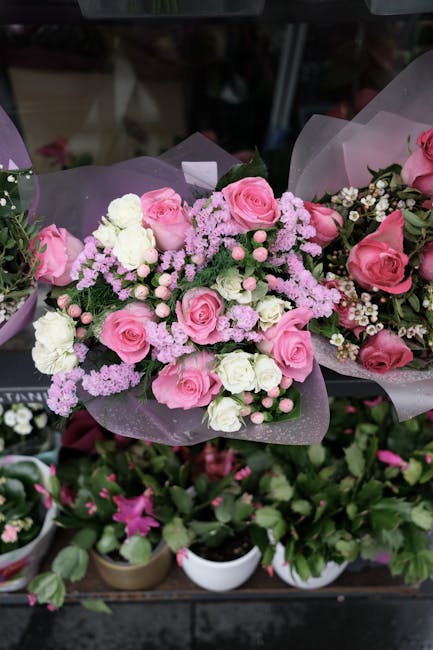
Common Mistakes to Avoid
One of the biggest mistakes is choosing flowers from pictures alone without checking whether the style suits the venue. A lush arrangement can look brilliant online and still be wrong for a narrow room, low ceiling, or very formal interior. Always think context.
Another common issue is leaving the discussion too late. Wedding florists can be busy, especially during peak seasons, so delaying the brief can limit choice. Even if you only have a rough idea, start the conversation early. A florist can refine a vague plan. They cannot magic more time into the calendar.
People also underestimate transport and setup. Wedding flowers are living materials. They need careful handling, sensible timing, and a practical route from florist to venue. If the arrangements are oversized or awkwardly shaped, they may be harder to move than expected. Better to know that in advance.
Budget mismatches are another trap. If your venue is expansive but the floral spend is tiny, expectations may not match results. On the other hand, spending heavily in the wrong areas can create visible gaps elsewhere. A good florist helps you distribute value intelligently.
And yes, one more: not checking substitution policies. Flower availability can change, particularly with seasonal stems. That does not mean a florist is being vague; it means they're working with natural materials, not printed stock. A sensible brief allows for similar replacements where needed.
Tools, Resources and Recommendations
You do not need a dozen apps to plan wedding flowers, but a few practical tools help enormously:
- A simple mood board: screenshots of bouquet shapes, colour references, venue images, and dress details.
- Guest count and table plan: this helps estimate how many centrepieces and smaller arrangements are needed.
- Venue notes: loading access, setup times, restrictions, and whether candles or tall arrangements are allowed.
- Colour reference swatches: useful if the wedding palette includes specific tones like ivory, blush, plum, or deep red.
- Delivery details: where bouquets should go first, who receives them, and what time the florist can access the venue.
For a local wedding, it also helps to work with a florist whose range includes wedding-specific products rather than a general bouquet-only selection. Pages such as bridal bouquet options, table arrangements, and corsages can make planning simpler because you can compare like with like.
If you want a broader sense of style, browsing a florist's about us page can be useful too. You're looking for tone, experience, and whether the business sounds like it understands both the design side and the logistical side. A good florist usually gives that away quite quickly. You can feel it in the way they talk about their work.
For care after the wedding, many couples also appreciate practical advice on keeping bouquets fresh for a little longer. If you'd like to preserve bouquets or keep table flowers looking nice through the day, a florist's flower care guidance can be helpful.
Law, Compliance, Standards, or Best Practice
Wedding floristry is not heavily regulated in the way some professional services are, but there are still important standards and best practices to keep in mind. A reputable florist should be clear about ordering terms, substitutions, delivery arrangements, cancellations, and refunds. That protects both sides and avoids confusion if plans change. In a wedding context, that clarity matters a lot more than people think.
It is also sensible to check accessibility and practical venue conditions. For example, a florist delivering to an upper-floor room, a listed building, or a venue with restricted access needs a realistic plan. Good communication here is part of professional practice, not a bonus feature.
Consumer-facing terms should be easy to understand. If you are ordering wedding flowers, look for clear information about payment, delivery, and any limits on returns for bespoke items. Wedding arrangements are often made to order, which means they may not be refundable in the same way as standard goods. The key thing is transparency. A florist should spell out the rules in plain English, not hide them in legal fog.
For the business side, responsible sourcing is also worth noting. Some couples care about sustainability, fair supply chains, or simply reducing waste. If that matters to you, check whether the florist explains their approach to sustainability. You do not need a lecture. Just enough clarity to make a comfortable choice.
And because wedding planning can involve a surprising amount of fine print, it's sensible to review the terms and conditions, returns and refund policy, and delivery information before confirming anything. Boring? Maybe a little. Useful? Completely.
Options, Methods, or Comparison Table
If you are deciding how to approach your wedding flowers, it helps to compare the most common options. There is no single "best" route for every couple, but there is usually a better fit for your venue, timing, and budget.
| Option | Best for | Strengths | Trade-offs |
|---|---|---|---|
| Bridal bouquet only | Very small ceremonies or elopements | Simple, affordable, easy to coordinate | Limited impact across the venue |
| Bouquet + bridal party flowers | Most traditional weddings | Creates visual cohesion and strong photos | Requires better coordination and timing |
| Full ceremony + reception florals | Formal or larger weddings | Transforms the venue and feels polished | Higher cost and more setup complexity |
| Mixed bespoke collection | Couples who want flexibility | Can be tailored to budget and style | Needs a clear brief to avoid inconsistency |
When people ask which method is best, the honest answer is: it depends on what matters most. If you want a few standout photos and a relaxed day, keep it focused. If you want the room to feel immersive and memorable from every angle, go bigger. The florist's job is to help you choose the right level, not just the biggest one.
You can also compare flower styles. For a softer classic look, white and ivory arrangements are often safe and timeless. For a richer feel, roses with orchids or mixed seasonal flowers can add depth. If you want a more modern feel, cleaner shapes and fewer flower types may suit better. It is not about picking the most expensive bloom. It is about matching the design to the event.
Case Study or Real-World Example
Here's a realistic example from the kind of wedding often seen around Knightsbridge. A couple planned an early afternoon ceremony followed by a small reception nearby. They wanted the flowers to feel elegant and expensive-looking, but not heavy or formal. The bride liked white flowers with a soft blush accent; the groom wanted the buttonholes to be clean and understated; the venue was smart but compact.
The florist recommended a bridal bouquet with a restrained palette, bridesmaid bouquets that echoed the same tones without overpowering the dresses, a few carefully sized table arrangements, and neat buttonholes to keep the overall look unified. Instead of trying to cover every corner of the room, the design focused on key visual points: entrance, ceremony area, top table, and guest tables. That made the space feel complete without crowding it.
The practical win was just as important as the visual one. Delivery was timed to avoid guest arrival, flowers were placed before photography started, and the arrangements held up well through the day because the florist had planned for the room temperature and timing. Nothing heroic. Just good execution. And honestly, that's what you want on a wedding day.
The couple later said the flowers made the venue feel more personal and more "them" without stealing attention from the rest of the celebration. That is the sweet spot. Flowers should elevate the day, not elbow everything else out of the way.
Practical Checklist
Use this checklist if you are choosing a wedding florist on or near Sloane Street:
- Have you confirmed the wedding date and venue?
- Do you know whether the venue has access restrictions or setup windows?
- Have you decided on a mood: classic, romantic, modern, or luxury?
- Do you have a colour palette, even if it is broad?
- Have you identified your priority items: bouquet, ceremony, reception, or bridal party flowers?
- Have you reviewed wedding-specific product options and collections?
- Do you understand what is included in delivery and setup?
- Have you checked substitution, cancellation, and refund terms?
- Do the flowers fit the size and style of the venue?
- Have you allowed some flexibility for seasonal availability?
- Have you shared dress, table, and decor details with the florist?
- Do you have final written confirmation before the event?
If you can tick most of those off, you are in a strong position. If not, don't panic. Better to catch the gaps now than three days before the wedding. Been there, seen that, fixed that - or at least helped someone else do it.
Conclusion
Finding the Best Florist on Sloane Street Knightsbridge for Weddings is really about finding the person who can translate your style into flowers that work in the real world. Not just beautiful in theory. Beautiful in the venue, in the light, in the photos, and still fresh when the evening gets going.
The strongest florists bring together design judgement, local delivery know-how, and a calm approach to planning. They help you choose flowers that suit the room, fit your budget, and feel connected from the bouquet to the table. That combination is what makes the difference between flowers that are simply nice and flowers that genuinely lift the whole day.
If you are comparing options, start with the details that matter most: venue, timing, style, and the key pieces you cannot do without. From there, the right florist should make everything feel clearer, not more complicated. And really, that's the sign you've found someone worth trusting.
Get a free quote today and see how much you can save.
When the day arrives, and the flowers are exactly where they should be, you will be glad you took the time to get them right. That little bit of care goes a long way.
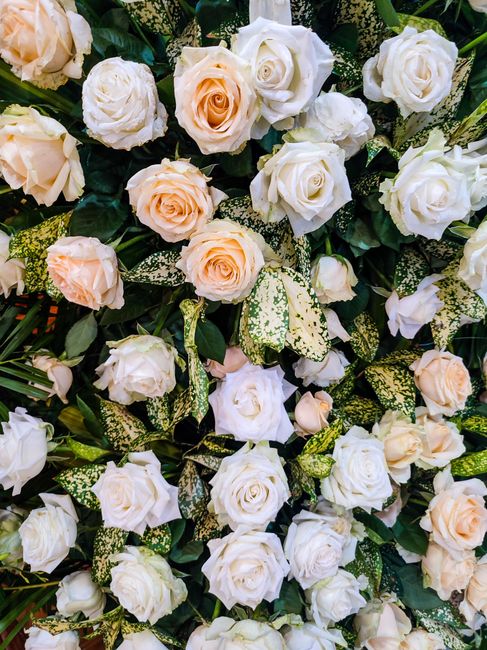
Frequently Asked Questions
What makes the best florist on Sloane Street Knightsbridge for weddings different from a general florist?
A wedding-focused florist understands timing, venue logistics, matching multiple arrangements, and creating a consistent look across the day. General florists may make lovely bouquets, but weddings need extra coordination and a better sense of scale.
How early should I book wedding flowers in Knightsbridge?
The earlier the better, especially for peak spring and summer dates. Booking early gives you more choice, more time to refine the brief, and less stress when the calendar gets crowded.
Can I get wedding flowers that match my colour scheme exactly?
Usually you can get very close, but natural flowers vary by season and availability. A good florist will aim for your palette while allowing sensible flexibility around bloom types.
What should I include in my wedding flower brief?
Venue details, date, ceremony time, guest count, colour palette, dress photos if you have them, preferred style, and a list of must-have items are all useful. The more context, the easier it is to design well.
Are wedding flower collections better than choosing individual items?
Collections can be helpful because they create consistency and save time during planning. Individual items are better if you want more control or a mixed arrangement of styles. It depends on how hands-on you want to be.
What flowers work best for a luxury Knightsbridge wedding?
Roses, orchids, lisianthus, and well-composed mixed arrangements are often popular for polished, elegant weddings. The best choice still depends on season, venue, and the tone you want to create.
How do I keep wedding flowers fresh through the day?
Good handling, sensible delivery timing, and appropriate flower selection do most of the work. Your florist should advise on what will hold up best, especially if there is travel between locations or a long reception.
Can the florist also supply bridesmaid bouquets and buttonholes?
Yes, and that is usually the best approach. Keeping everything with one florist makes the colour palette and styling feel more coordinated.
Do I need ceremony flowers if I already have reception table flowers?
Not necessarily, but ceremony flowers can help create stronger photos and a more memorable entrance moment. If budget is limited, decide which part of the day matters most visually.
What if my venue has strict access rules or a tight setup window?
Tell the florist early. Experienced local florists plan around access restrictions, loading times, and delivery windows so the day runs smoothly. In central London, that's not optional; it's just good practice.
How can I compare different wedding florists fairly?
Compare style, wedding experience, logistics support, transparency on pricing and policies, and how well they listen to your brief. A florist who asks smart questions is usually worth paying attention to.
Is sustainability important when choosing wedding flowers?
If it matters to you, yes. You may want to ask about sourcing, seasonal choices, and waste reduction. Some couples care deeply about this; others just want a practical answer. Either way, a good florist should explain their approach clearly.


